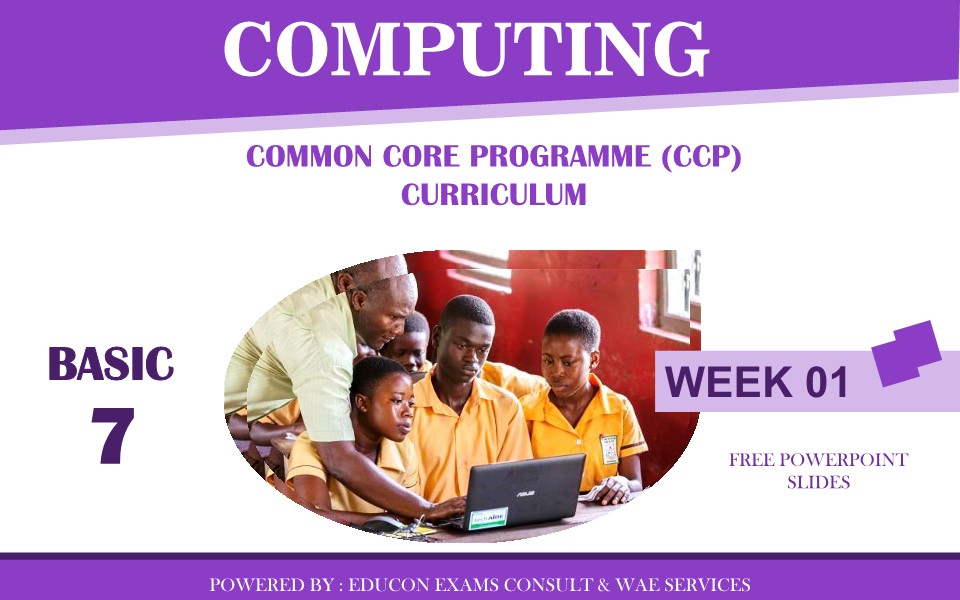
Dealing with stubborn or challenging students can be a complex task for educators. However, understanding their behavior and employing effective strategies can foster a more positive learning environment and enhance student engagement. Here are some professional approaches to consider when working with difficult students.
1. Build Trusting Relationships
Establishing a rapport with students is essential in overcoming resistance to learning. Take the time to get to know your students personally—understand their interests, backgrounds, and challenges. Show empathy and actively listen to their concerns; this will create an atmosphere of trust where they feel valued and understood.
2. Set Clear Expectations
Clearly outline classroom rules, expectations, and consequences from the outset. When students understand what is expected of them, they are less likely to push back against authority. Reinforce these expectations consistently while offering support as needed.
3. Incorporate Student Interests
Engage stubborn students by incorporating their interests into lesson plans or activities whenever possible. Tailoring assignments that resonate with them can spark motivation and participation, making it easier for them to connect with the material being taught.
4. Use Positive Reinforcement
Recognize and reward positive behaviors rather than solely focusing on negative actions. Implement systems of reinforcement that acknowledge effort and achievements—whether through verbal praise, small rewards, or privileges—which can encourage more compliant behavior over time.
5. Encourage Autonomy
Sometimes stubbornness stems from a desire for independence or control over one’s own learning process. Provide opportunities for choice within assignments or projects so that students feel empowered in their educational journey while still adhering to academic standards.
6. Utilize Collaborative Learning Techniques
Group work not only fosters social skills but also encourages peer influence among classmates who may inspire cooperation in reluctant participants. Establishing collaborative tasks allows students to learn from one another while enhancing accountability towards group objectives.
7. Practice Patience and Consistency
Perhaps one of the most important traits an educator should embody is patience—especially when dealing with difficult behavior patterns that have developed over time! Maintain consistency in your approach; fluctuating responses may confuse students further complicating behavioral issues instead of resolving them.
Conclusion
Managing stubborn or challenging student behaviors requires thoughtful strategies rooted in relationship-building, clear communication, autonomy promotion—and often flexibility on behalf of teachers themselves! By adopting these methods holistically within your teaching practice you’ll not only nurture potential but create lasting impacts on even the most resistant learners’ lives moving forward!
Implementing these strategic approaches will enable educators not just cope effectively but excel at engaging all types of learners—including those deemed “difficult.” Embrace each opportunity as part-and-parcel toward shaping well-rounded individuals ready for future success beyond academic confines!
Crafting Informative and Cohesive Body Content
Within the body of your blog post lies the heart of your message. Break down your content into coherent sections, each with a clear heading that guides readers through the narrative. Dive deep into each subtopic, providing valuable insights, data, and relatable examples. Maintain a logical flow between paragraphs using transitions, ensuring that each point naturally progresses to the next. By structuring your body content effectively, you keep readers engaged and eager to learn more.
Powerful Closures: Leaving a Lasting Impression
Concluding your blog post isn’t just about wrapping things up – it’s your final opportunity to leave a strong impact. Summarize the key takeaways from your post, reinforcing your main points. If relevant, provide actionable solutions or thought-provoking questions to keep readers thinking beyond the post. Encourage engagement by inviting comments, questions, or sharing. A well-crafted conclusion should linger in your readers’ minds, inspiring them to explore further or apply what they’ve learned.